

- 1

Hone those critical thinking skills! We learn about artist Matthew Roby and his work Walkies, Rex! and investigate looking after your own mythical creature.

Use this resource to help you discuss the key features of a myth and a legend?

Place names can reveal secrets about a place and help spark children’s imaginations too. Could these be a clue to a new ‘legend’?

Recreate The terrible tale of the Lambton Worm with this editable playscript.

Use these story cards to give children some starting points when writing their own legends.

Use these story cards to give children some starting points when writing myths.
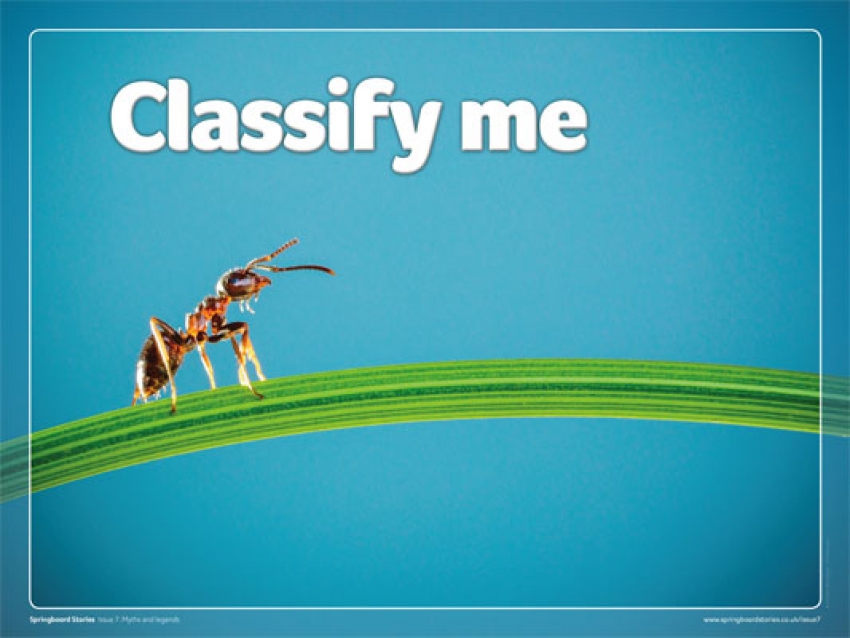
Challenge the children to group and classify the animals and plants shown, using the ‘Classification’ activity sheet to help them.
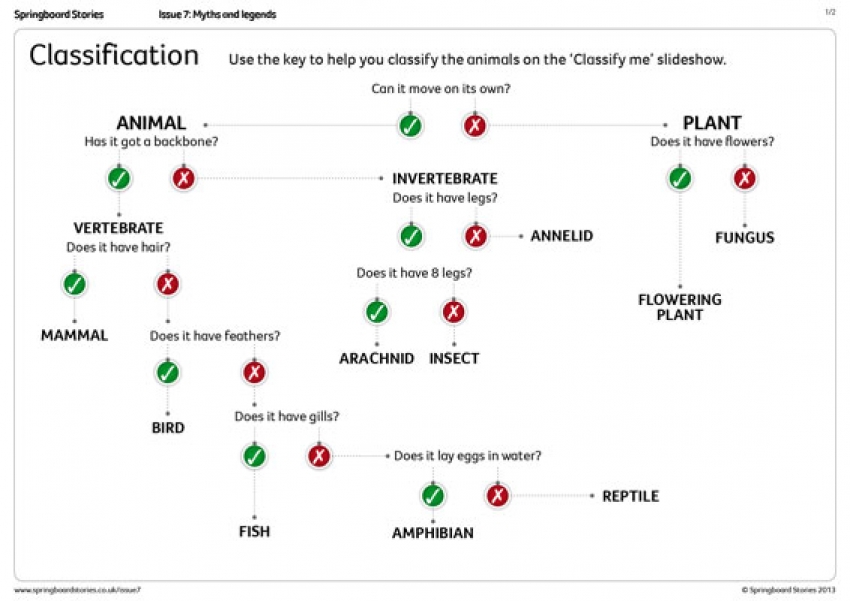
Use this sheet to help group and classify the plants and animals on the ‘Classify me’ PDF slideshow.

A short legend by Tony Wilson. Ask the children to listen to the language used. What do they notice?

Find out why the River Thames is bendy and the River Glyme shaped like a dog.
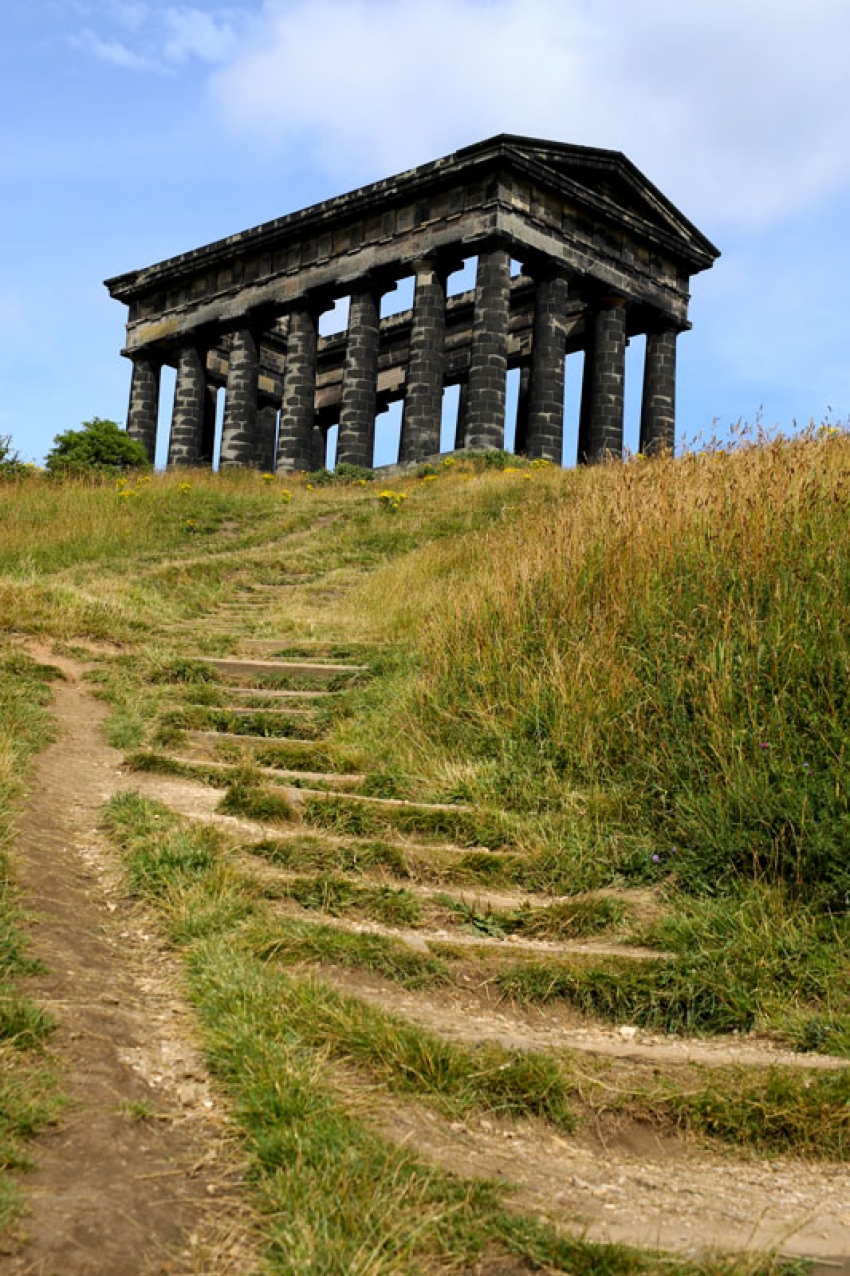
Use the photos of Penshaw Hill in your Lambton Worm book trailer or in your work on the legend of the Lambton Worm.

A thinking verse for your assembly on legends.

Use the map on your whiteboard to help children visualise the key events in The terrible tale of the Lambton Wom.
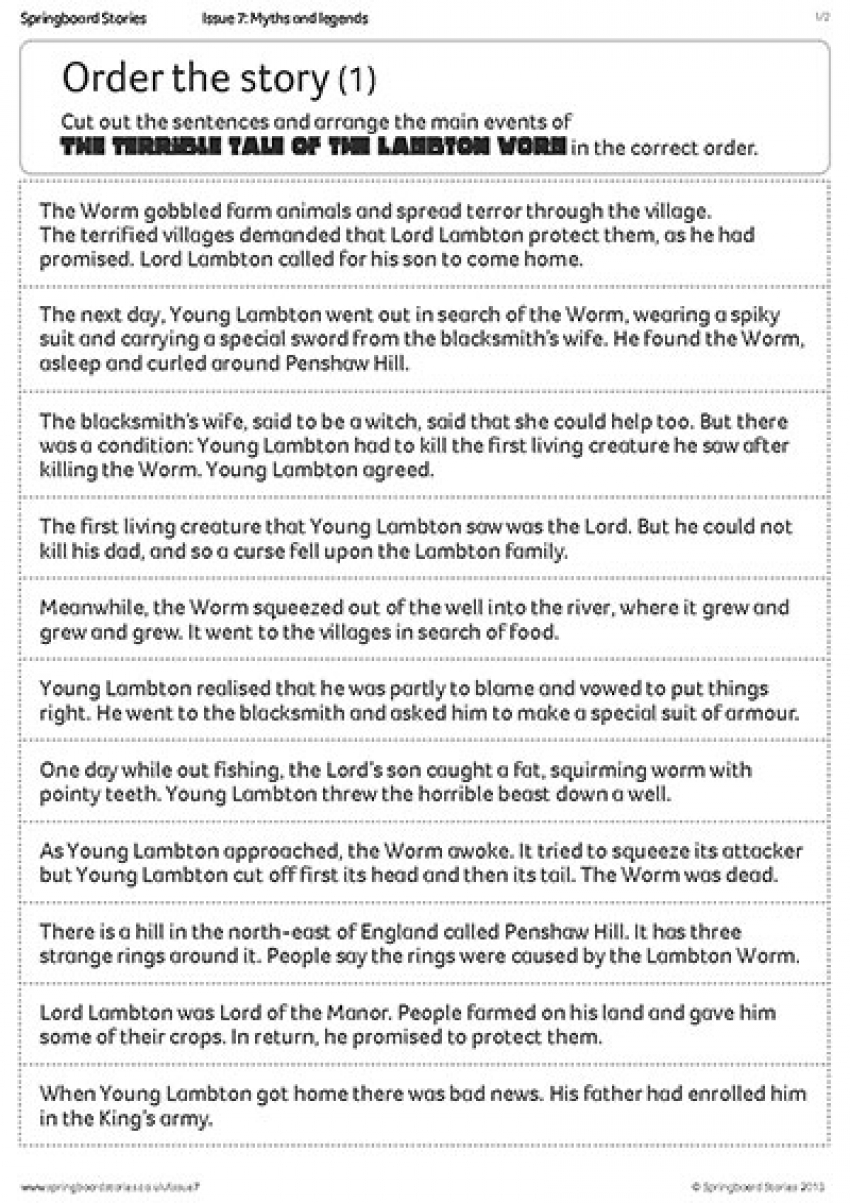
Can the children sequence the story events in the right order?
This retelling of The terrible tale of the Lambton Worm comes from storyteller Tony Wilson.
Media

Young Lambton loved a spot of fishing but when he cast his line into the lake, he wasn’t expecting his catch to be a fat, slime-strung, squirming worm. And that was just the very beginning of his problems....

Our creative topics and their springboard stories...






- 1